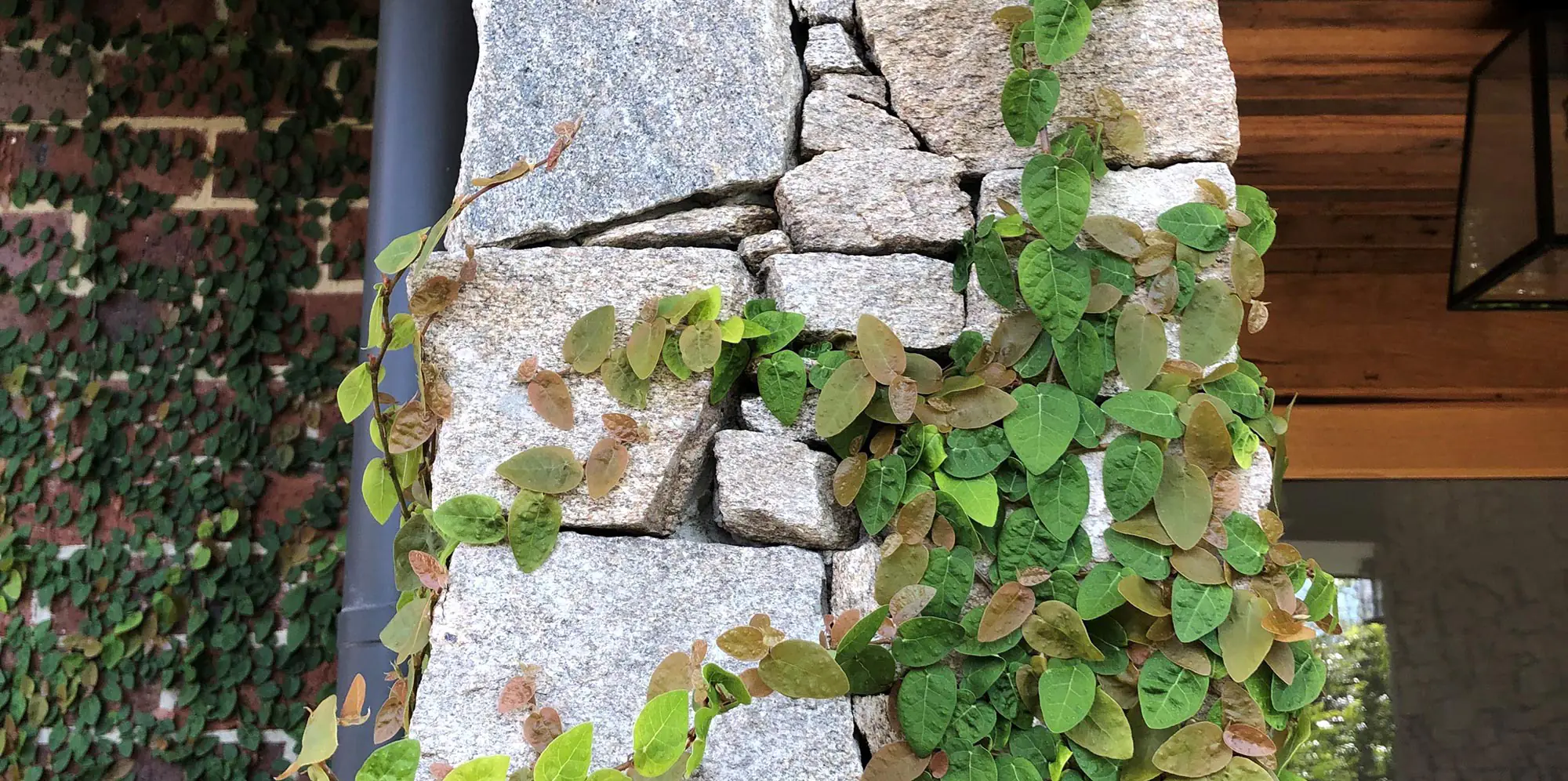
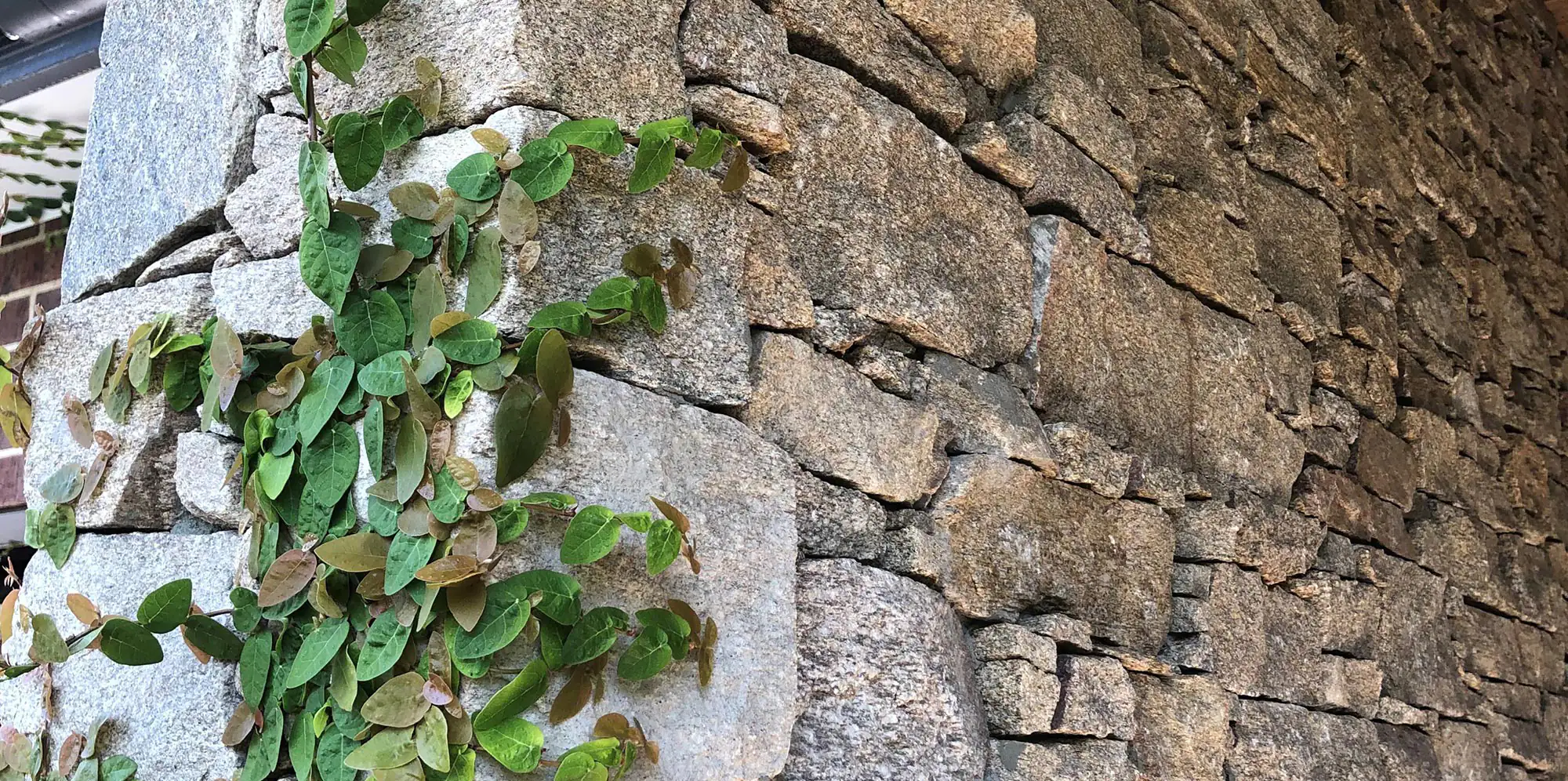
Stone Wall Cladding: Strata, Random or Modular Ashlar?
Natural stone cladding can turn a plain wall into a real feature, whether it’s the front of the house, a garden wall or a fireplace. There are a few things to consider from the start, and one of the most important is the stone format, as this shapes how the whole wall will look.
Stone wall cladding comes in three formats, which are strata, random and modular ashlar. The one you choose decides how the wall is laid, what the joints look like and how the finished wall looks from across the street.
Most of the cladding questions we get at our Oakleigh East showroom come down to four things:
- What the stone actually is
- Which format suits the job
- What it can be fixed to
- How much to order
Here’s what we tell customers when they ask.
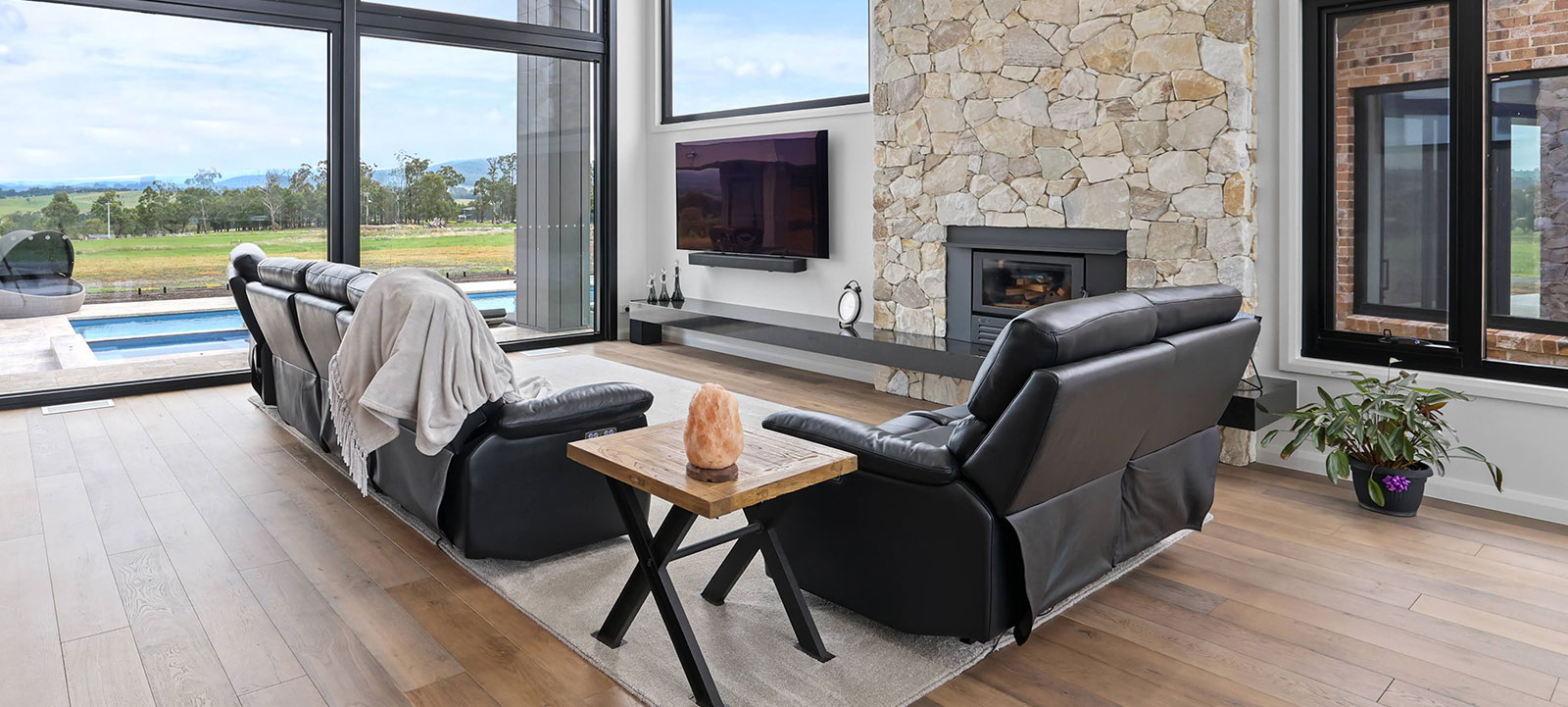
Is it natural stone or a manufactured product?
Everything in our cladding range is quarried stone, cut or split to size. Some of our walling comes from our own quarry at Castlemaine, where it’s still split by hand.
Manufactured cladding is a different product. Sold as cultured stone or cast stone veneer, it’s a concrete mix poured into moulds taken from real stone, with pigment added for colour. From the street, it can look convincing. Up close, the shapes start to repeat, because every piece comes out of the same small set of moulds, and a cut edge or chipped corner shows plain grey concrete under the coloured surface. Natural stone gets its colour from the minerals it’s made of, not from a surface coating, so a chip or cut edge still looks like stone.
Both are used as veneers, which means they’re a thin decorative layer fixed to a wall that does the structural work. So the real choice is what that layer is made of. We’ve made the same comparison for paving in Interlocking Concrete Pavers or Natural Stone.

What’s the difference between strata, random and modular ashlar?
The format describes the shape and size of the stone pieces and how they’re laid on the wall. Even with the same stone, each format creates a completely different look, so it’s worth understanding the options before you narrow down your choice.
Strata is cut into long, narrow pieces that stack in horizontal bands. On a long facade or a fireplace wall it gives a strong horizontal line, and the wall looks like layers of stone rather than individual pieces.
Strata is also used to describe split stone. Castlemaine Strata Walling is hand split at our quarry and sawn flat on the back, giving a similar layered look with a rougher face. It’s a common pick for fireplace surrounds.
Random works the other way. The pieces come in irregular shapes and sizes and aren’t laid in set rows, so the joints follow the natural edges of the stone.
Modular ashlar sits in between. Yorkshire Blend Sandstone is cut into rectangular blocks 200 to 400 mm long, chipped on five sides and sawn flat on the back, and the blocks are laid in neat rows like an informal brick bond. It’s more ordered than random, without the long horizontal run of strata.
Here’s a quick summary of how the three formats compare.
| Format | Shape of pieces | Look on the wall |
|---|---|---|
| Strata (linear) | Long, thin, horizontal pieces | Strong horizontal lines |
| Random (organic) | Irregular shapes, no square edges | Natural, rustic, no set pattern |
| Modular / Ashlar | Rectangular blocks in set sizes | Ordered, brick-like rows |
The easiest way to see the difference is one stone in both formats. Hotham Strata and Hotham Random are the same granite, warm greys with sandy browns and ochre running through them. As strata it looks clean and architectural. As random, with pieces up to 400 mm across, it looks like a traditional stone wall. If you like a colour but not the look, check whether the stone comes in the other format before you rule it out.
Each stone comes in set formats, so whether you start with the look or the colour, check which formats it’s available in before you decide.

Should cladding be dry stacked or grouted?
Once you’ve chosen a format, the next question is how the joints between the stones will be finished. Dry stacked walls have the pieces fitted tightly together with no visible grout, while grouted walls have a grout line between the stones. The format you choose usually points you one way or the other.
- Strata is usually dry stacked. The pieces butt tight against each other with no visible joint, which only works because the cut is consistent enough for them to sit flush.
- Random can go either way, and the two finishes look quite different. Grouting is the more common choice, since irregular shapes leave gaps that a grout line fills and frames. It gives a tidier, more finished wall that suits interior feature walls and fireplaces. Dry stacked random brings out the rough texture of the stone and suits garden walls, retaining walls and outdoor entertaining areas. Hotham Random can be laid either way.
- Modular ashlar is laid in neat, level rows, much like brickwork.
Whichever format you choose, ask your installer how they’ll finish the joints before they start, because it changes the look of the wall more than most people expect.

Can stone cladding be used inside and outside?
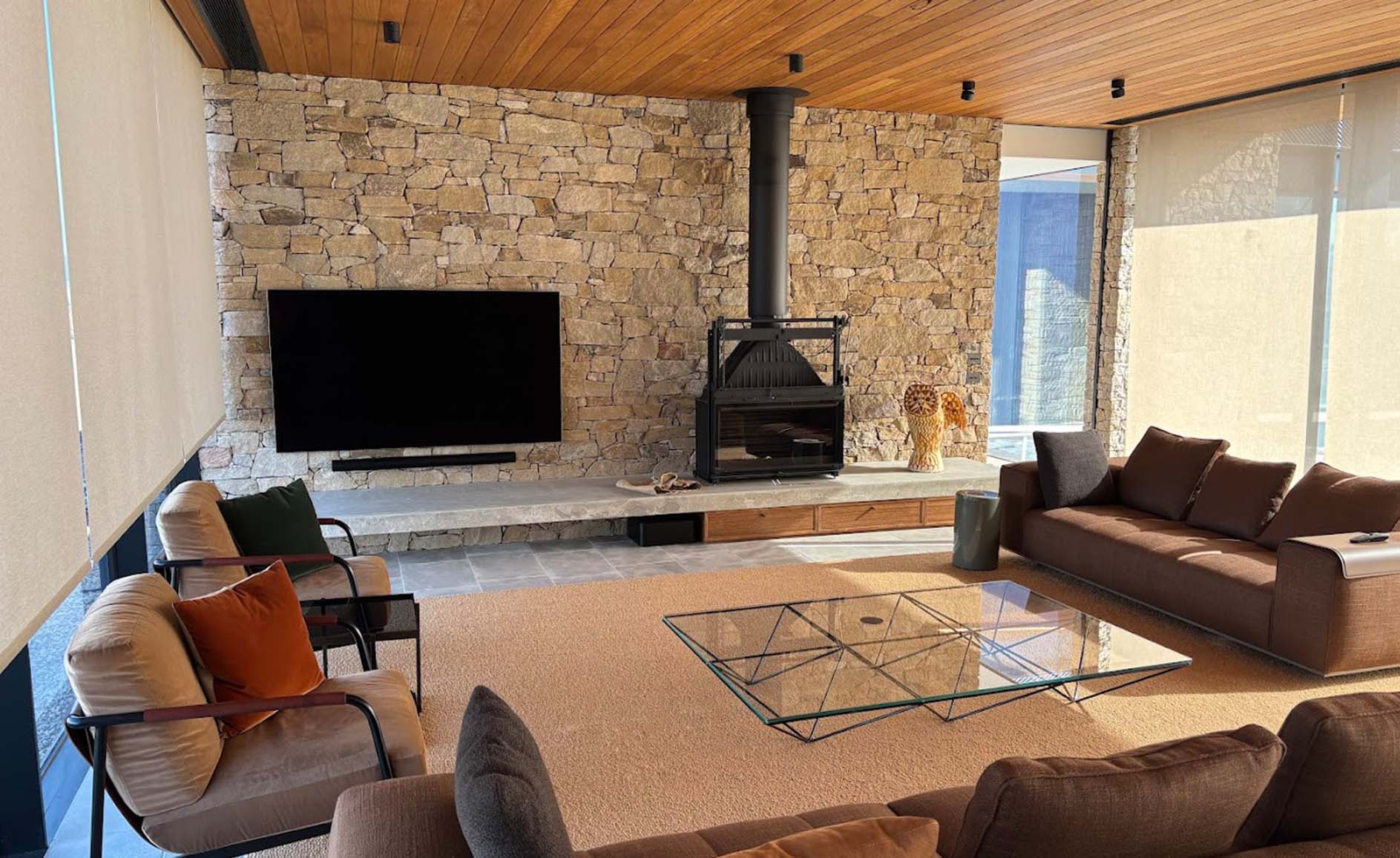
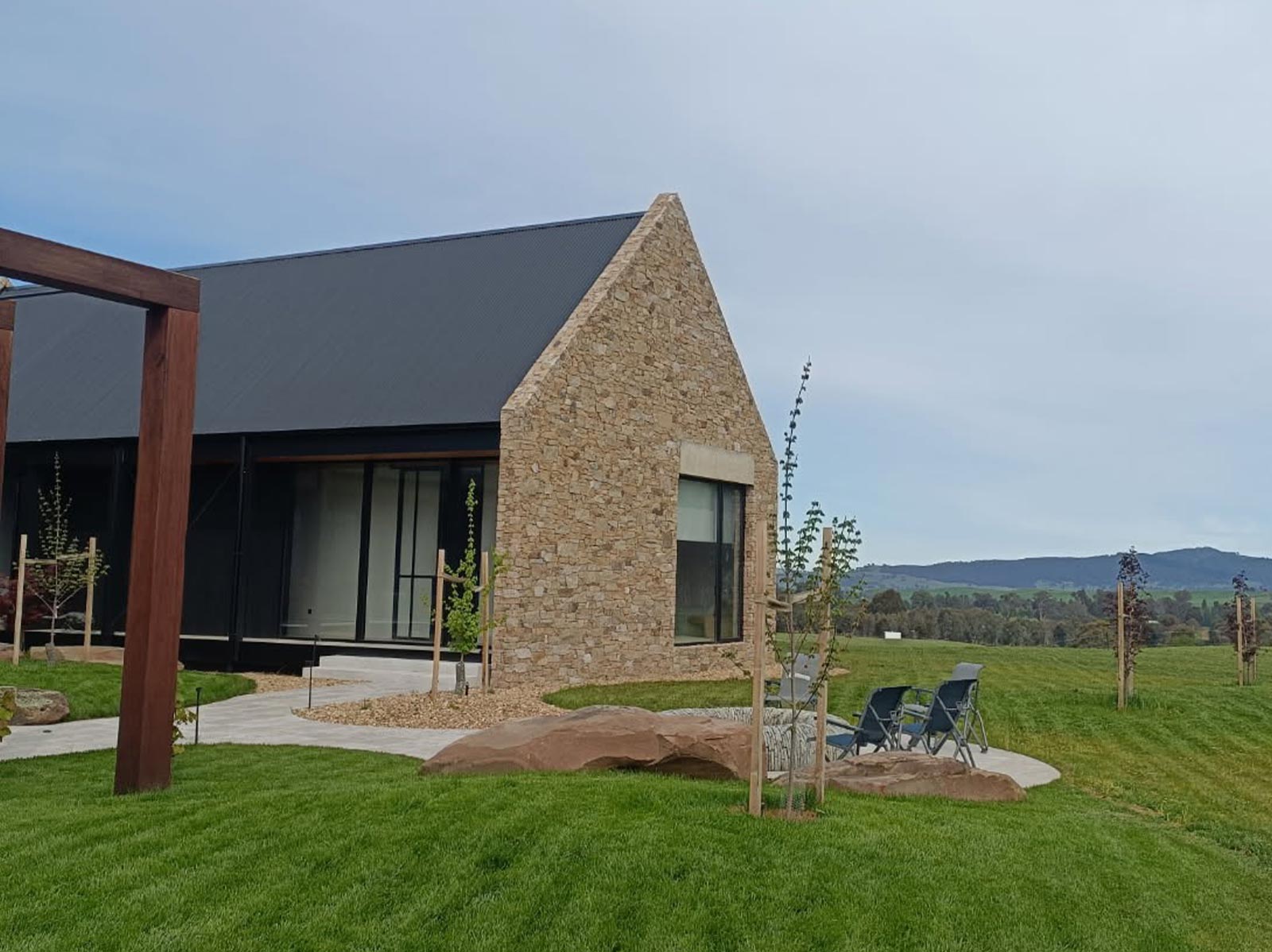
Yes, it can. Natural stone handles Melbourne weather well, and our cladding is used on facades, letterboxes and garden walls as well as fireplaces and feature walls inside.
When stone cladding fails outside, it’s rarely the stone. It’s usually the detailing around it, such as weep holes, flashing at the top of the wall, and a cavity behind the cladding if it’s going over a frame. That work sits with your builder or landscaper, so raise it when you’re getting quotes rather than after the stone’s up.
Inside, you’re usually standing much closer to the wall, often only a metre or two away. That changes how the stone looks. From the street, a strata facade on a two-storey house looks like one clean horizontal line. On a fireplace, you’ll notice each individual piece and every shift in colour. Neither is better or worse, but it’s worth seeing the stone up close before you choose it for an indoor wall.
What can stone cladding be fixed to?
Stone cladding is heavy, so the wall behind it needs to be strong enough to hold it. Concrete, besser block and brick are the simplest backings, as long as the face is clean and sound, with no paint, sealer or loose render between the adhesive and the wall.
Framed walls need a bit more preparation. Plasterboard isn’t strong enough to hold stone on its own, so the stone is fixed to a backing board (usually fibre cement) attached to the timber or steel frame. Depending on the wall and the stone you choose, it’s worth having an engineer check that the frame can take the extra weight.
Use an adhesive rated for natural stone on your type of substrate, and follow its manufacturer’s instructions on surface preparation and flatness. Our Walling Installation Guide covers the rest of the process. If you’re unsure whether your wall is suitable for stone, ask your builder to check it before you order.
How much cladding do I need to order?
Working out how much stone you need is simpler than it sounds, and getting it right up front saves you running short partway through the job or paying for more than you’ll use. Here’s how to do it.
Step 1 – Measure the wall area
Measure the total wall area and deduct any windows and doors.
Step 2 – Measure the corners
Measure each external corner separately in lineal metres. Corner pieces are a different cut and are priced and packed on their own.
Step 3 – Add extra for cutting and selection
Add 10 to 15% to your wall area. A plain rectangular feature wall with few cuts sits at the low end. A facade with returns, window reveals and plenty of corners needs more, and so does random format if your installer will be picking the best face from each piece. If you’re not sure where your job sits, bring your measurements into the showroom and we’ll work it out with you.
Step 4 – Place your order
Walling is usually packed at 10 m² per crate and corners at 25 lineal metres, with some exceptions (Goldfields Granite Strata packs at 15 m² and 40 lineal metres). Those are packing figures, not order minimums. We pack to the exact quantity your job needs, so if you need 23 m², you get 23 m², not three full crates. Here’s what happens once you book delivery.
If stone is being cut on site, read our guide to crystalline silica before work starts.
How do I choose the right colour?
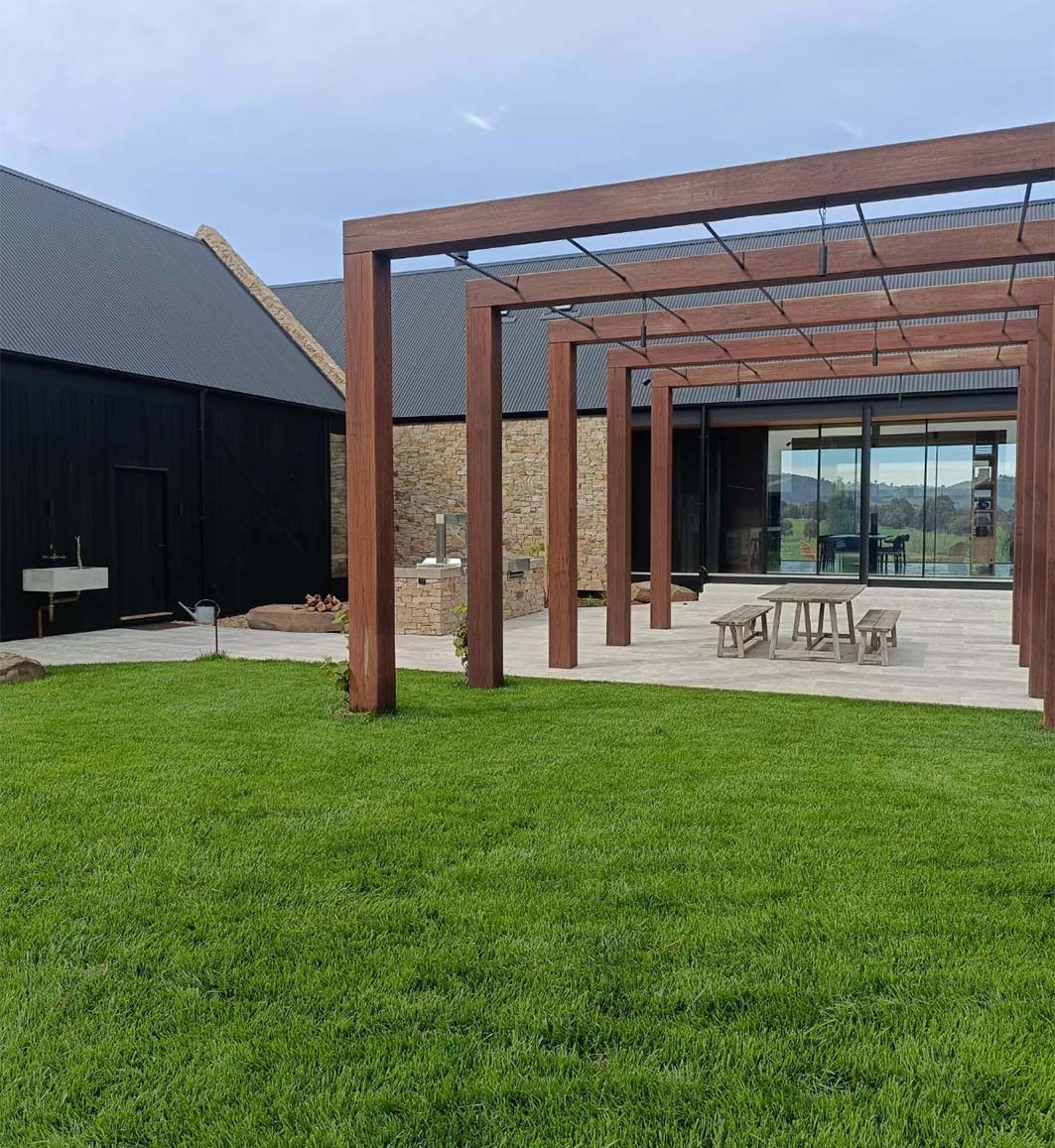
When you’re choosing a colour, it helps to describe it in simple terms, such as warm grey, honey or charcoal, rather than as a feeling or a mood. It’s also worth holding the sample up against the other finishes going into the space, like the render, timber, window frames and paving. Hotham’s warm greys, for example, sit nicely alongside raw timber and off-white render, which is why the stone is often paired with natural materials rather than painted finishes.
Lighting makes a big difference too. A grey that looks neutral under showroom lights can look noticeably warmer or cooler outside, especially next to large windows or glass doors. The best way to check is to take a sample home and look at it where the wall will actually be. You can choose up to three samples for $9.
Where can I see stone cladding in Melbourne?
The best way to choose cladding is to see it in person. At our Oakleigh East showroom, Hotham Random, Hotham Strata and Yorkshire Blend are all laid up as full-sized walls alongside the rest of our walling range, so you can see how each one looks across a whole wall rather than just a single piece. You can also pick up samples to take home.
We’re open Monday to Friday 8:30am to 4:30pm and Saturday 9am to 3pm.
If you’re working on a larger project and need the colour to match across several crates, mention it when you visit and we’ll plan your supply to suit.